


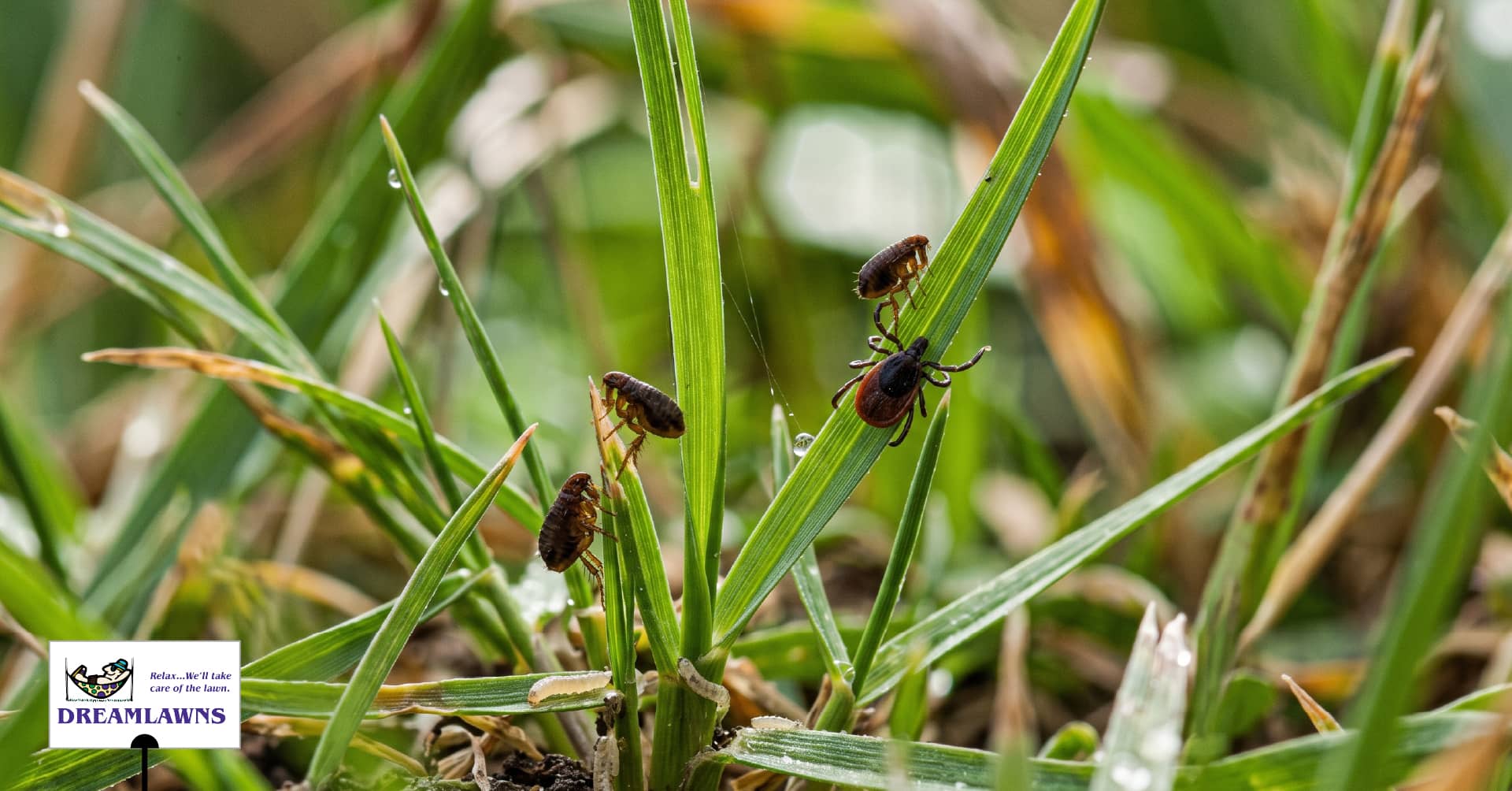
Dreamlawns Quick Cut: Fleas and ticks are more than a nuisance in Virginia Beach. Ticks carry Lyme disease and other serious illnesses, and both pests threaten pets and family. Your yard is the first line of defense. Fleas and ticks live in tall grass, leaf litter, and shaded, moist areas, especially at the edges of your property. Keeping the lawn maintained, reducing moisture and debris, and treating problem areas dramatically lowers the risk to everyone in your household.
Most people think of fleas and ticks as something the dog brings inside or something you pick up on a hike through the woods. But the reality is that your own yard is often where the exposure starts. The landscape around your home, especially the shaded edges, tall grass, and leaf litter, is prime habitat for both pests.
In Virginia Beach’s warm, humid climate, fleas and ticks thrive, and the conditions that invite them are common in coastal yards. Mild winters mean populations aren’t fully knocked back each year, and the moisture-retaining landscapes typical of the area give these pests exactly what they need to survive and multiply.
That’s why your yard is your first line of defense. The steps you take in the landscape, from how you mow to how you manage moisture and debris, have a direct impact on how many fleas and ticks your family and pets are exposed to. This guide covers where these pests live, the real health risks they carry, the yard conditions that invite them, and how to reduce them at the source.
Why Are Fleas and Ticks Such a Problem in Virginia Beach?
Virginia Beach’s climate and landscape create conditions where fleas and ticks flourish. Several factors combine to make coastal Virginia especially hospitable to these pests.
- Warm, humid climate: Both fleas and ticks depend on humidity to survive, and the moist coastal air keeps them active and thriving for much of the year.
- Mild winters: According to the Virginia Department of Health, ticks can remain active year-round in Virginia’s mild winters. Without a hard, sustained freeze, populations aren’t fully knocked back between seasons.
- Wooded and brushy edges: Many Virginia Beach properties border wooded areas, brush, or natural growth. These transition zones between lawn and wild vegetation are prime tick habitat.
- Wildlife carriers: Deer, rodents, stray cats, and other wildlife carry fleas and ticks into yards and drop them as they pass through. Deer in particular are a primary host for the blacklegged ticks that spread Lyme disease.
- Moisture-retaining landscapes: Shaded, damp areas, dense ground cover, and yards with poor drainage hold the moisture fleas and ticks need to survive and reproduce.
The combination of these factors means Virginia Beach homeowners face flea and tick pressure through much of the year, not just during a narrow summer window. Understanding that pressure is the first step toward controlling it where it starts: in the yard.
Where Do Fleas and Ticks Live in Your Yard?
Fleas and ticks don’t spread evenly across a property. They concentrate in specific areas that offer the shade, moisture, and cover they need. Knowing where they live is the key to targeting them effectively. The most common habitat includes:
- Tall, unmowed grass: Ticks climb to the tips of tall grass blades and wait for a host to brush by, a behavior called questing. Overgrown grass is one of the most common tick hotspots.
- Leaf litter and yard debris: Piles of leaves, grass clippings, and organic debris trap moisture and create the humid microclimate both pests depend on.
- Shaded, moist areas: Fleas in particular favor shaded, damp spots, often where pets rest or where wildlife travels. Direct sun and dryness are hostile to fleas, so they cluster in the cool, moist zones of the yard.
- Property edges and transition zones: The border where your lawn meets woods, brush, or tall natural growth is the single highest-risk area for ticks. This edge habitat is where most yard tick encounters happen.
- Dense ground cover and plantings: Thick ground cover, ivy, and dense shrubs hold moisture and provide cover and pathways for both pests and the wildlife that carry them.
- Under decks and near wood piles: Sheltered, shaded areas under decks and around wood piles offer cover for pests and the rodents that transport them.
Notice the common thread: shade, moisture, and cover. Fleas tend to concentrate where pets and wildlife rest in those conditions, while ticks concentrate along tall grass and the brushy edges of the property. Both patterns point back to the same yard conditions, which means the same maintenance steps reduce both pests at once.
What Health Risks Do Ticks and Fleas Carry?
The reason flea and tick control matters goes well beyond the discomfort of bites. These pests carry real health risks for both people and pets, which is why reducing them around your home is a genuine protective measure.
Tick-Borne Illness
Ticks are the more serious health concern. According to the Virginia Department of Health, Lyme disease is the most common tick-borne illness in Virginia, spread through the bite of an infected blacklegged tick, also known as the deer tick. Peak transmission occurs in late spring and summer, when the tiny nymph-stage ticks, about the size of a poppy seed, are most active and easiest to miss. Most people never feel the bite.
Lyme is not the only concern. The Virginia Department of Health notes that ticks in the state can also transmit Rocky Mountain spotted fever, alpha-gal syndrome (which can cause a serious allergy to red meat), ehrlichiosis, and other illnesses. While most are less common than Lyme, they underscore why keeping ticks away from your family is worthwhile. The encouraging part, as state health officials emphasize, is that tick bites are largely preventable through simple precautions and yard management.
Flea Problems
Fleas are less associated with serious disease but cause significant problems of their own. They bite people and pets, cause intense itching and skin irritation, and can trigger allergic reactions. In pets, flea bites can lead to flea allergy dermatitis and can transmit tapeworms. And because a small number of fleas in the yard can rapidly become a full infestation in the home, catching them early in the landscape matters. Once fleas establish indoors, they are far harder and more expensive to eliminate.
There’s no need to be alarmed by any of this. The point is simply that flea and tick control is a reasonable health measure for your household, and that much of the risk is within your control. Personal precautions like checking for ticks after being outdoors and using vet-recommended pet preventatives remain important, as recommended by the CDC.
What Yard Conditions Invite Fleas and Ticks?
Certain yard conditions roll out the welcome mat for fleas and ticks. If your property has several of these, it’s likely more attractive to pests than it needs to be.
- Overgrown grass and unkempt edges: Tall grass and unmaintained borders give ticks the height they need to quest and both pests the cover they prefer.
- Excess leaf litter and debris: Accumulated leaves and yard debris trap moisture and create ideal shelter.
- Poor drainage and chronic moisture: Shaded, damp areas and spots that stay wet after rain, often tied to compaction or overwatering, provide the humidity fleas and ticks require.
- Overgrown shrubs and dense ground cover: Thick plantings hold moisture and give pests and wildlife cover and travel routes.
- Wildlife access: Yards that attract deer, rodents, and other animals receive a steady supply of the fleas and ticks those animals carry.
- Wood piles and clutter near the home: Stacked wood and yard clutter shelter rodents and create the shaded, protected conditions pests seek out.
The takeaway is that flea and tick pressure is closely tied to overall yard maintenance. A well-kept, properly drained, regularly mowed lawn is far less hospitable to these pests than an overgrown, damp, cluttered one. That connection is exactly why the yard is your first line of defense.
How Do You Reduce Fleas and Ticks in Your Yard?
The good news is that the same maintenance practices that keep a lawn healthy also make it far less attractive to fleas and ticks. The Virginia Department of Health and CDC recommend a set of yard practices that reduce pest habitat directly.
- Mow regularly and keep grass short: Regular mowing at the correct height for your grass type removes the tall grass ticks need to quest and reduces the cover both pests rely on.
- Clear tall grass and brush: Cut back tall grass and brush, especially along property edges and fence lines where ticks concentrate.
- Remove leaf litter and debris: Regularly clearing leaves, clippings, and yard debris eliminates the moist shelter fleas and ticks depend on.
- Create a barrier at wooded edges: A strip of wood chips or gravel between the lawn and wooded or brushy areas creates a dry barrier that ticks are reluctant to cross, reducing migration into the yard.
- Reduce shade and improve drainage: Addressing chronically damp, shaded areas and improving drainage and watering practices removes the moisture these pests need.
- Keep play areas away from edges: Position swing sets, patios, and play areas toward the center of the yard and away from trees and wooded borders, keeping family activity out of the highest-risk zones.
- Discourage wildlife: Reduce what attracts deer and rodents, secure trash, and consider fencing or barriers to limit wildlife traffic that delivers fleas and ticks.
- Treat problem areas: Professional yard treatment targets the specific habitat where fleas and ticks live, reducing the population at the source in a way that maintenance alone can’t always achieve.
Why Is Yard Treatment the First Line of Defense?
Many homeowners rely entirely on the flea and tick preventatives they apply to their pets, and while those products are essential, they have a critical limitation: they only protect the pet. A vet-recommended preventative keeps fleas and ticks off your dog or cat, but it does nothing to reduce the population living in your yard, and it offers no protection to the children and adults in your household.
Treating the yard is what addresses the source. By reducing the flea and tick population in the landscape itself, you lower the exposure risk for everyone who uses the yard, pets and people alike. That’s the difference between managing symptoms and reducing the actual problem.
The most effective protection combines all three layers: treat the yard to reduce the source population, keep pets on vet-recommended preventatives, and take personal precautions like tick checks after time outdoors. Yard treatment is the foundation that makes the other two layers far more effective, which is exactly why the landscape is your first line of defense.
How Does Dreamlawns Help Protect Your Yard From Fleas and Ticks?
At Dreamlawns, protecting your yard from fleas and ticks starts with understanding your specific property. Every yard has its own high-risk zones, the shaded edges, the moisture-holding areas, the transition zones where lawn meets brush. Effective control means identifying and targeting those areas rather than treating the whole property the same way.
Our approach connects pest management to overall property health. The same conditions that invite fleas and ticks, overgrown edges, excess debris, poor drainage, and chronic moisture, are conditions we already address as part of caring for your lawn. By targeting the habitat where these pests live and reducing the yard conditions that sustain them, we lower the population at its source. Explore our full range of lawn and pest services to see how it fits together.
Flea and tick control also pairs naturally with mosquito control as part of a comprehensive approach to outdoor pest management. The moisture, shade, and debris that breed mosquitoes overlap heavily with the conditions that harbor fleas and ticks, which means addressing them together protects your family and pets on multiple fronts.
Contact us today to schedule a property assessment. We’ll identify the flea and tick hotspots on your property and build a plan to reduce them, so your yard becomes a place your family and pets can enjoy safely.
Frequently Asked Questions
Reduce ticks by mowing regularly, cutting back tall grass and brush along property edges, removing leaf litter and debris, and creating a wood-chip or gravel barrier between your lawn and wooded areas. Improving drainage to reduce moisture and keeping play areas away from yard edges also helps. Professional yard treatment targets the specific habitat where ticks concentrate. The Virginia Department of Health offers additional yard guidance for tick reduction.
Both pests concentrate in shaded, moist areas with cover. Ticks favor tall grass and the brushy edges where lawn meets woods, where they climb grass tips and wait for a host. Fleas favor shaded, damp spots, often where pets rest or wildlife travels. Both are also found in leaf litter, dense ground cover, under decks, and near wood piles. The common thread is shade, moisture, and cover, which is why maintaining these areas reduces both pests at once.
Yes. The backyard is one of the most common places pets pick up fleas and ticks. Both pests live in the landscape and attach to pets as they move through tall grass, shaded areas, and yard edges. This is why yard treatment matters even for pets on preventatives, the preventative protects the animal but doesn’t reduce the population in the yard, which still poses a risk to family members. Treating the yard addresses the source for the whole household.
Peak tick activity in Virginia runs from late spring through summer, roughly May through August, when the tiny nymph-stage ticks that cause most Lyme disease cases are most active. However, the Virginia Department of Health notes that ticks can remain active year-round in Virginia’s mild winters, so precautions and yard management matter in every season, not just summer. Virginia Beach’s mild coastal climate makes year-round activity especially likely.
Yes, when it targets the right areas. Fleas and ticks concentrate in specific habitat, shaded edges, tall grass, leaf litter, and moist zones, and treating those areas reduces the population at its source. Yard treatment is most effective when combined with regular lawn maintenance that removes pest habitat and with pet preventatives and personal precautions. Together, these layers dramatically lower the flea and tick exposure for everyone who uses the yard. Yard treatment alone won’t eliminate every pest, but it substantially reduces the risk.
Lawn Care Services In The Virginia Beach Area
Dreamlawns provides superior lawn care service to Virginia Beach & Chesapeake VA residents.

